
The Food and Goods Sharing Initiative: Promoting Sustainable Community Sharing
The Food and Goods Sharing Initiative is a collaborative project promoting environmental sustainability, community support, and responsible use of resources. Globally, around 20% of all food produced is unnecessarily discarded, despite much of it remaining perfectly edible. Food waste contributes significantly to greenhouse gas emissions and climate change when sent to landfill.
The initiative supports sustainable sharing and redistribution of surplus food and goods, helping to reduce environmental impact while supporting individuals, households, and local organisations.
Understanding Surplus Across the Supply Chain
Surplus food is generated at multiple stages of the supply chain, including:
-
Food waste occurs at every stage of the supply chain:
-
On farms (24–30%) due to overproduction, harvesting losses, and cosmetic standards
-
Post-harvest handling and storage (15–20%) resulting from poor storage and transportation conditions
-
Processing and packaging (5–10%) caused by trimming and the disposal of substandard items
-
Distribution and retail (10–15%) where unsold products frequently go to waste
-
Consumer level (35–40%) driven by over-purchasing, improper storage, and over-preparation
Our Mission: Sharing Resources and Supporting Communities
The initiative was established to promote sustainable sharing of usable food and goods while strengthening community wellbeing and environmental responsibility. Its aims include:
-
Promoting food and goods sharing
-
Reducing environmental impact associated with unnecessary disposal
-
Supporting access to resources
-
Encouraging sustainable and circular use of materials
In addition to food, the initiative also supports sharing of surplus non-food items, including paints, plants, tiles, and home improvement materials.

Room temperature best before surplus food in the Eco Zone.

Room temperature best before surplus food in the Eco Zone.
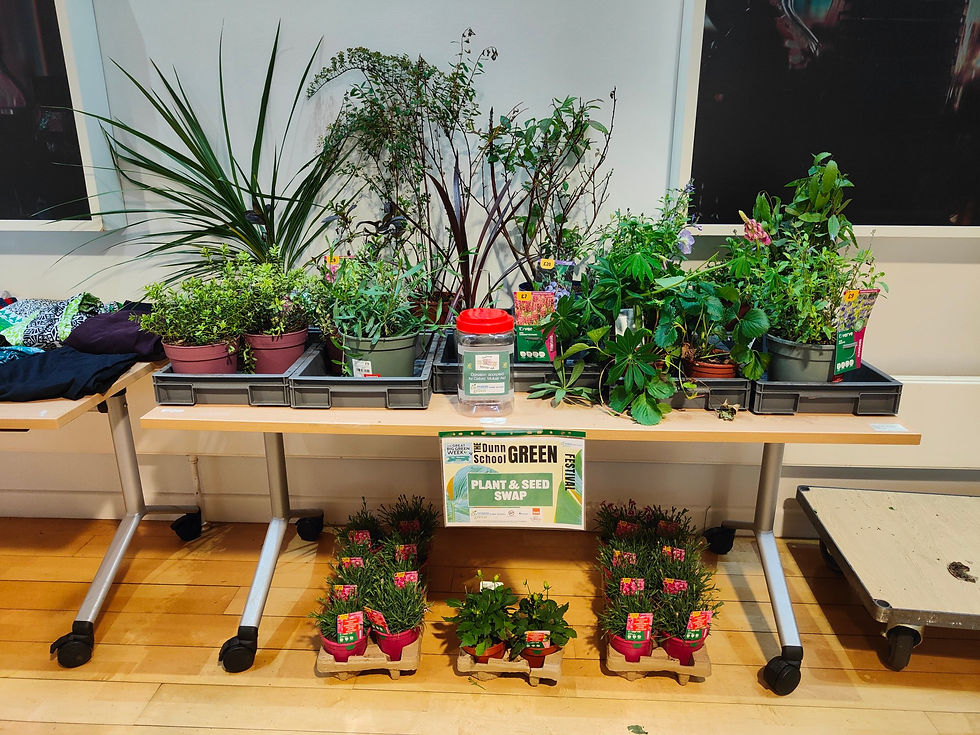
Plants for plant swap and sharing
Room temperature best before surplus food in the Eco Zone.